Slow Living
Before the Internet Called It Micro-Retirement - 1
On travel, boredom, mountains, and making questionable decisions in my twenties
It is quite amusing for me to see the internet suddenly discovering and naming something called “micro-retirement,” because I think I accidentally did most of these supposedly new Gen Z things long before I even knew there were cool words for them. Solo travel, taking breaks between jobs, disappearing into mountains for weeks, setting boundaries, refusing to jump mechanically from one offer letter to another, and occasionally choosing life experiences over career optimization was just… life for me. :)
I was lucky in one important way though, because neither my family nor my bosses I worked with made me feel guilty for stepping away from work temporarily, and I now realize how rare that actually is. A lot of people live with constant anxiety around taking breaks because somewhere we collectively decided that adulthood means continuously proving your productivity, and if you pause for too long people start assuming something must have gone wrong.
Even when I had very little money, it did not make sense to me to postpone everything meaningful for some future version of myself who may or may not have the same energy, health, curiosity, or freedom later in life. People always spoke about retirement as though it was some guaranteed phase where they would finally travel, hike, slow down, read books, reconnect with themselves, and do all the things they genuinely enjoyed, and I remember thinking very early on that this felt like a very strange bargain to make with life because nobody actually knows what kind of physical, emotional, or financial state they are going to be in decades later.
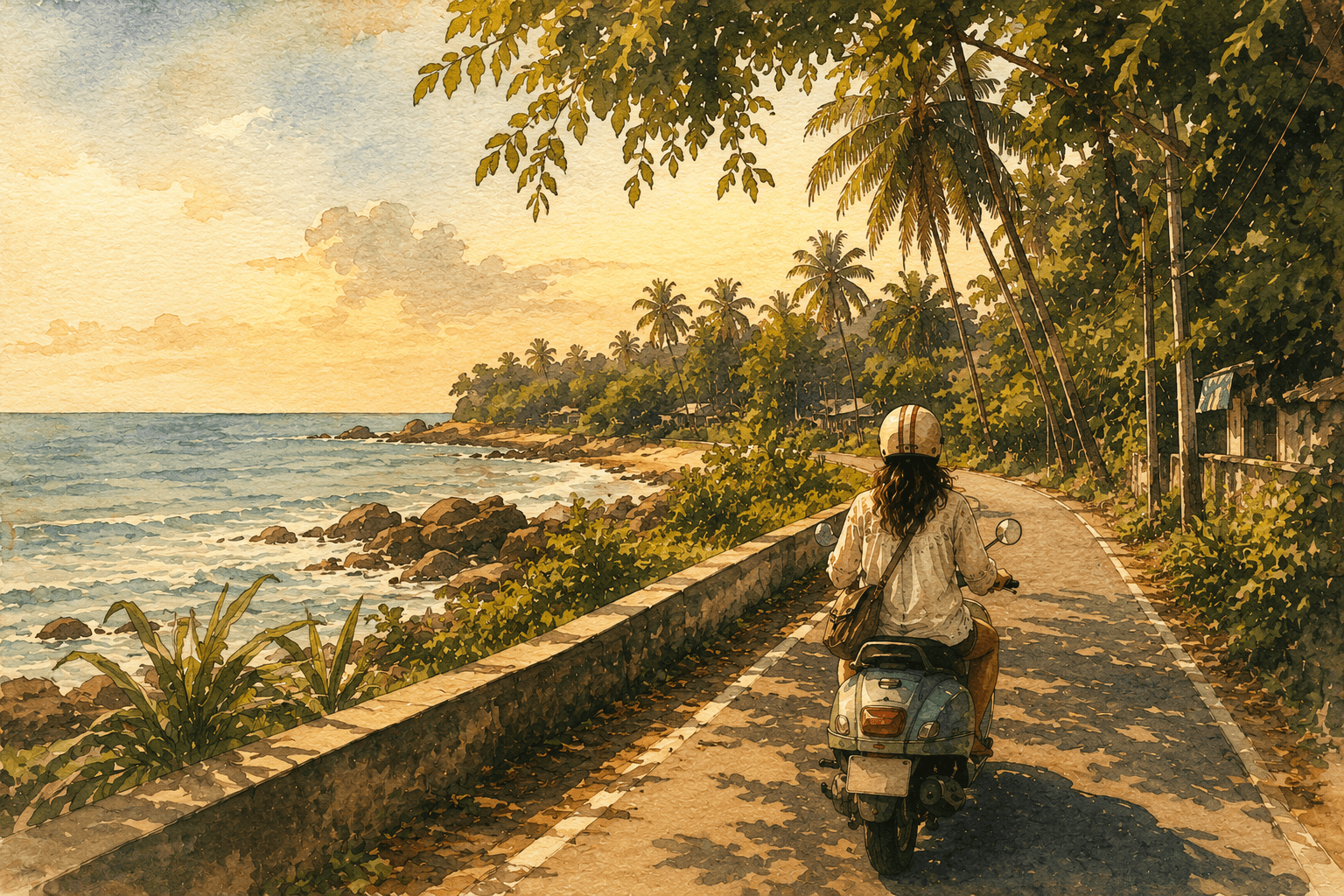
I have always loved traveling, even when I had very little money and very limited leaves from work, so most of my early twenties were spent doing whatever kind of trips I could realistically afford with the time I had. Sometimes it was small weekend trips nearby, sometimes overnight bus journeys with terrible planning and skimpy budgets, and sometimes it was simply saying yes to random experiences because staying in one place for too long made me restless.
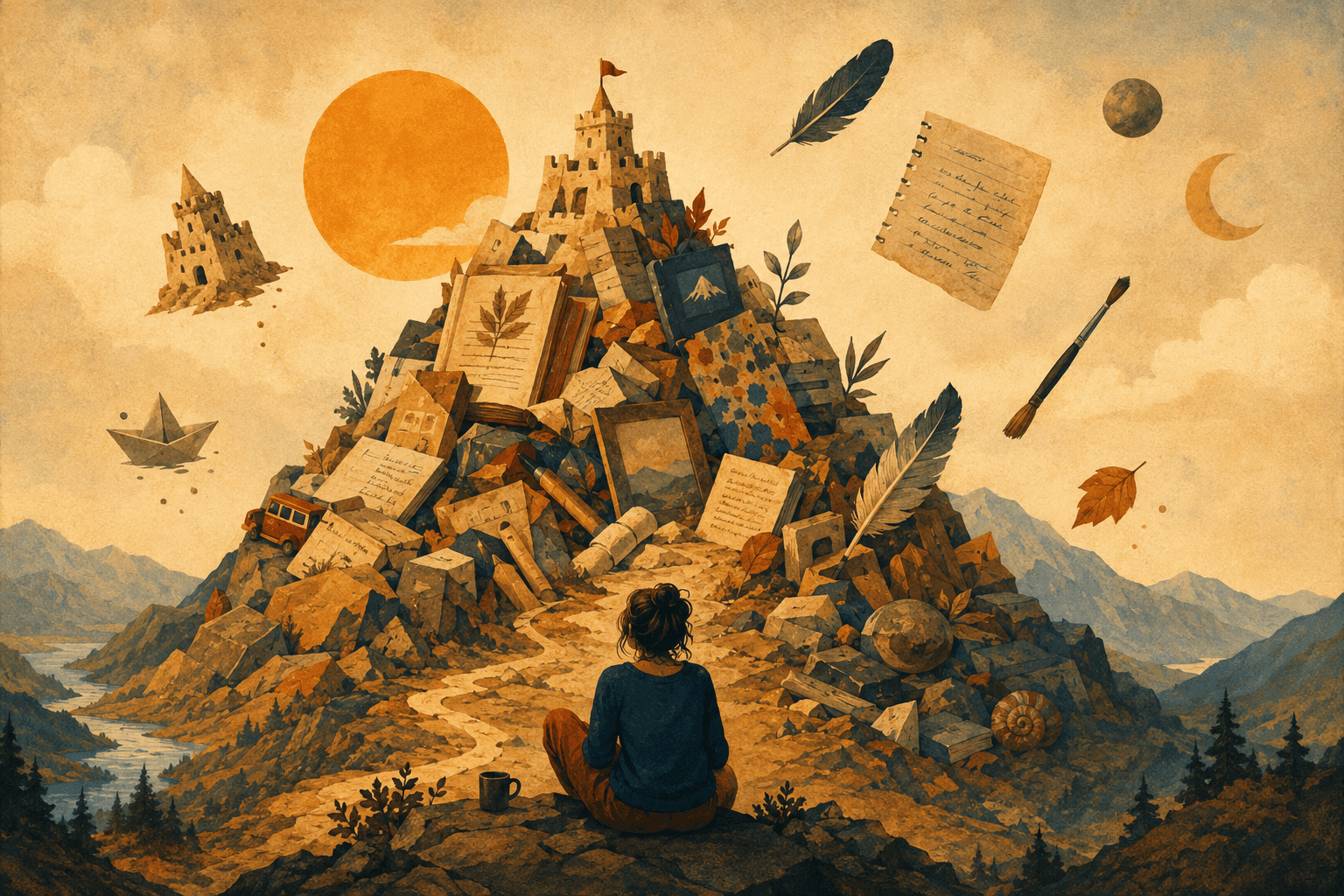
But at some point after I started working, I decided I wanted to do one proper long mountain trip for myself, and that trip became Ladakh.
This was during a time when Ladakh was still not as commercialized, accessible, or endlessly documented online as it is today. There were no reels teaching you what to pack, where to stay, how to acclimatize, or which aesthetic cafe to work remotely from. There was barely any mobile network there, and we mostly depended on unreliable landline phones that worked only when they felt emotionally available. Most of us were simply figuring things out as we went along.
My financial planning throughout my twenties was essentially just confidence mixed with selective ignorance, so naturally my strategy for this trip was to go alone and somehow find people there to split room costs and travel expenses with.
Facebook travel and biking groups were huge back then, and one particular website had this very cool feature where people could enter their travel dates and locations into a shared calendar so others traveling around the same time could connect. And that is how I somehow ended up going on a Leh trip with three boys I had never met, seen, or spoken to before in my entire life.
Looking back now, this sounds completely unhinged.
But I remember genuinely thinking that if they turned out creepy, I would simply run away somehow, which really captures the level of planning and risk assessment my younger self operated with.
Instead, they turned out to be some of the nicest friends I could have accidentally trusted my life with.
Years later, during another backpacking phase, I stayed with one of these friend's family because I wanted to experience Theyyam. His family hosted me with ridiculous warmth, his mother fed me endlessly, and they helped me experience parts of Kerala I would never have discovered by myself because Theyyam is not some stage performance designed for tourism. It exists within temples, communities, timings, rituals, and local rhythms that most outsiders rarely get to see closely.
And honestly, that became a pattern through most of my twenties. I somehow kept meeting kindness while wandering around with extremely questionable planning skills.
The first real break I consciously took from work actually started from boredom more than some grand life philosophy. I was feeling incredibly stagnant at work at that point and had become so irritating about it that I was probably annoying everyone around me, especially my boss, because I complained almost daily about feeling mentally under-stimulated and stuck in routine. Around that time, one of my closest friends at work randomly said, “Let’s go to Everest Base Camp,” and I immediately thought, yeah, that sounds fun, let’s do it.
Now the funny part is that I had never done a serious multi-day trek before in my life.
My friend had this rough chaotic plan where we would prepare for a few months, go to his hometown in Bihar, take a bus into Nepal, and somehow do the entire thing as cheaply as possible because neither of us exactly had spare money lying around casually at that stage of life. But honestly, I was just excited to finally have something interesting to obsess over, and I think my boss was equally excited to temporarily get rid of me because he literally told me to go take a break and said we would figure out my career once I came back.
And then this friend (I don't trust them for a reason) completely ditched me.
At that point, most sensible people would probably cancel the plan, but I had already mentally committed myself to this adventure and had become weirdly stubborn about doing it even if I had to go alone. So I started preparing by myself. I walked from work to home every single day, climbed stairs obsessively, and slowly convinced myself that maybe I could actually pull this off despite having absolutely no prior experience.
Mind you, this was before cheap internet, endless YouTube travel guides, and Instagram reels teaching you how to “solo backpack through Nepal.” My bank balance used to actively laugh at me, and I landed in Kathmandu with almost no concrete plan beyond pure confidence and stupidity. I remember just speaking to random people, asking questions, figuring things out one step at a time, somehow arranging the Lukla flight, permits, and whatever else was needed to get moving.
The trek itself was chaotic in the funniest and most humbling way possible. I started with a ridiculous amount of confidence because the first day is actually quite easy and mostly downhill from Lukla, so naturally I assumed I was built for mountaineering after approximately six hours of walking. Then came the second day, which is one of the hardest because that is when you start gaining altitude seriously, and of course that was also the exact day my periods decided to arrive like an uninvited guest with impeccable timing. I remember cursing myself repeatedly for signing up for something this physically demanding while simultaneously wondering why women are expected to casually function through these things as though climbing mountains on your period is a perfectly reasonable life decision.
At some point during the trek back, I even got lost briefly and was trying to figure out directions by speaking to a random babaji in what can only be described as a deeply unsuccessful multilingual interaction where neither of us fully understood the other but somehow communication happened anyway.
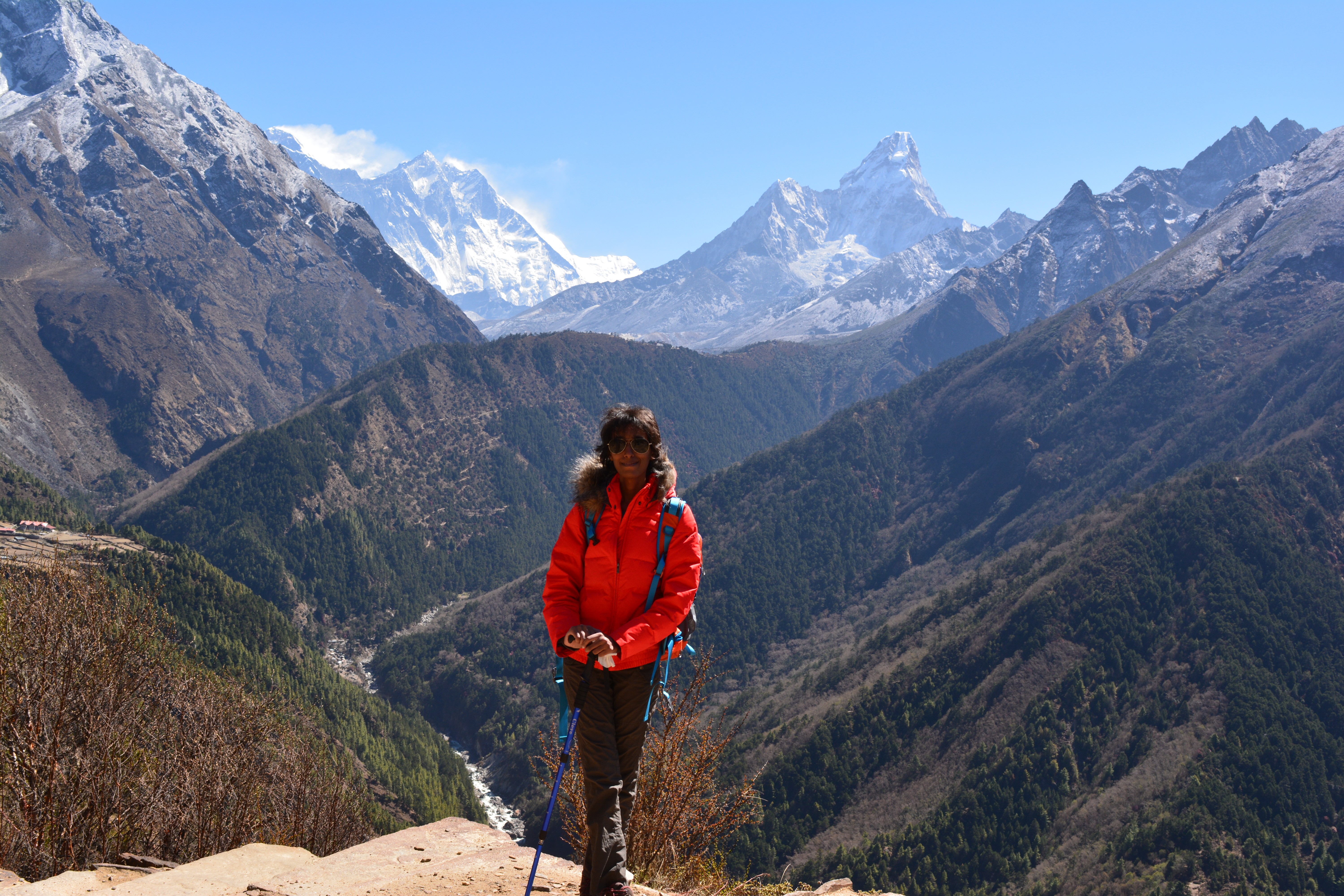
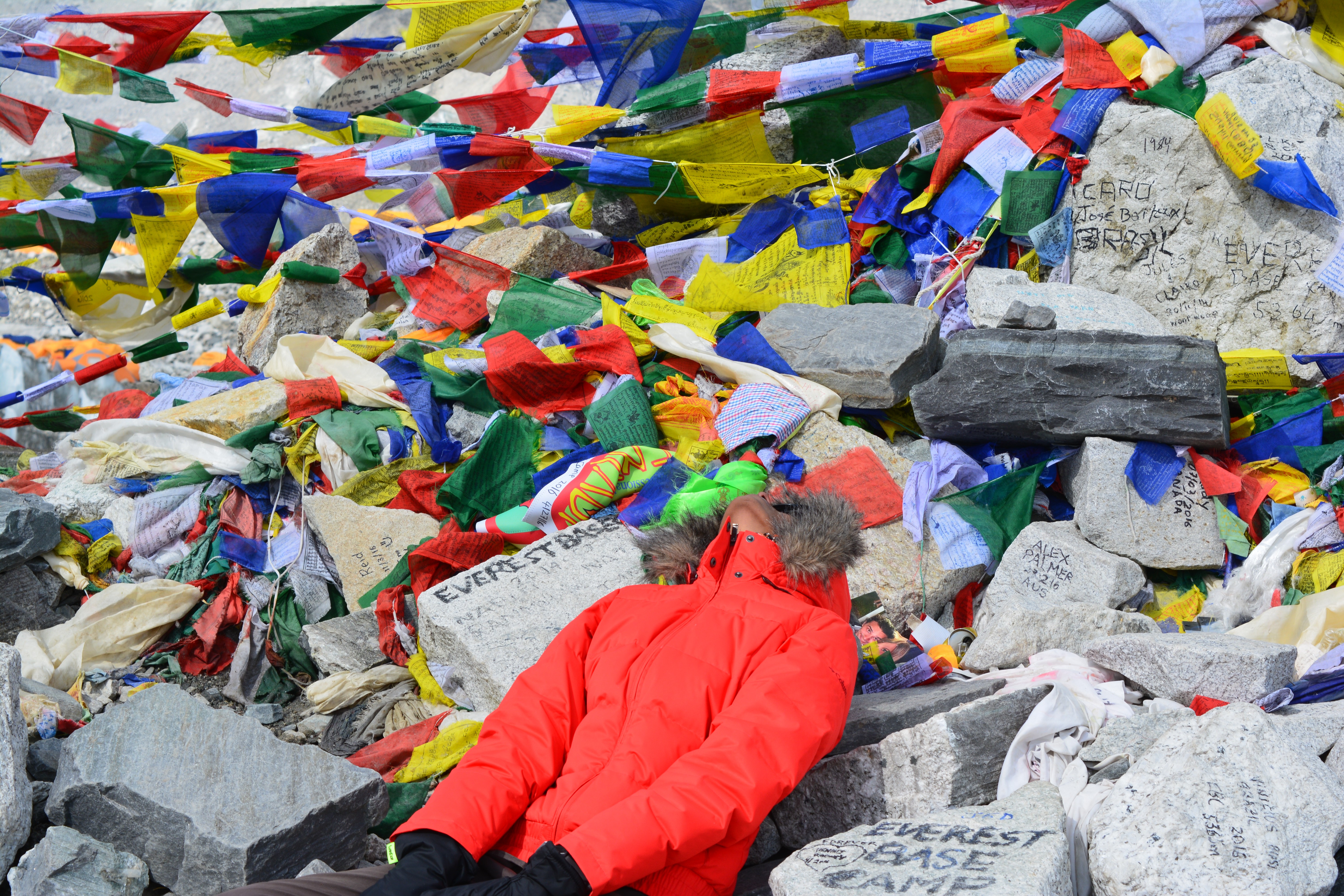
And then there were moments that genuinely shook me because on the final stretch toward base camp I remember seeing dead bodies being carried down after someone had died from altitude sickness, which suddenly strips away all romanticism around adventure and forces you to confront how fragile the human body actually is at those heights. I spent large parts of that trek swinging between excitement, anxiety, stubbornness, exhaustion, fear, tiny moments of panic, and occasional thoughts about whether I had completely lost my mind, while my poor mother was probably having continuous sleepless nights wondering why her daughter had voluntarily disappeared into the Himalayas with almost no plan and questionable decision-making skills.
But I also came back ridiculously proud of myself.
As someone who had constantly been mocked for looking physically weak because I have always been skinny, there was something deeply satisfying about quietly proving people wrong without making a dramatic point out of it. I came back physically destroyed, aggressively sunburnt, exhausted, and far more confident in myself than before.
And honestly, what fascinates me now is that at no point during any of this did I think I was doing something revolutionary or rebellious. I was not trying to “find myself,” optimize my mental health, reject capitalism, or become a solo travel inspiration for anyone. I was simply following curiosity wherever it seemed to lead me next and trusting that life would somehow figure itself out along the way.
Everything I have done sounds slightly brainless in retrospect, and objectively speaking, many of these decisions probably were, but I also do not think I would have wanted to experience my twenties any other way because so much of what shaped me came from saying yes before fear, over-planning, adulthood, and endless caution slowly started replacing curiosity.
And at absolutely no point during any of this did I think I was doing something called “micro-retirement."
Read the next part - Before the Internet Called It Micro-Retirement - 2